Signs You May Need Periodontal Treatment in Ventura
@griffinidyh047
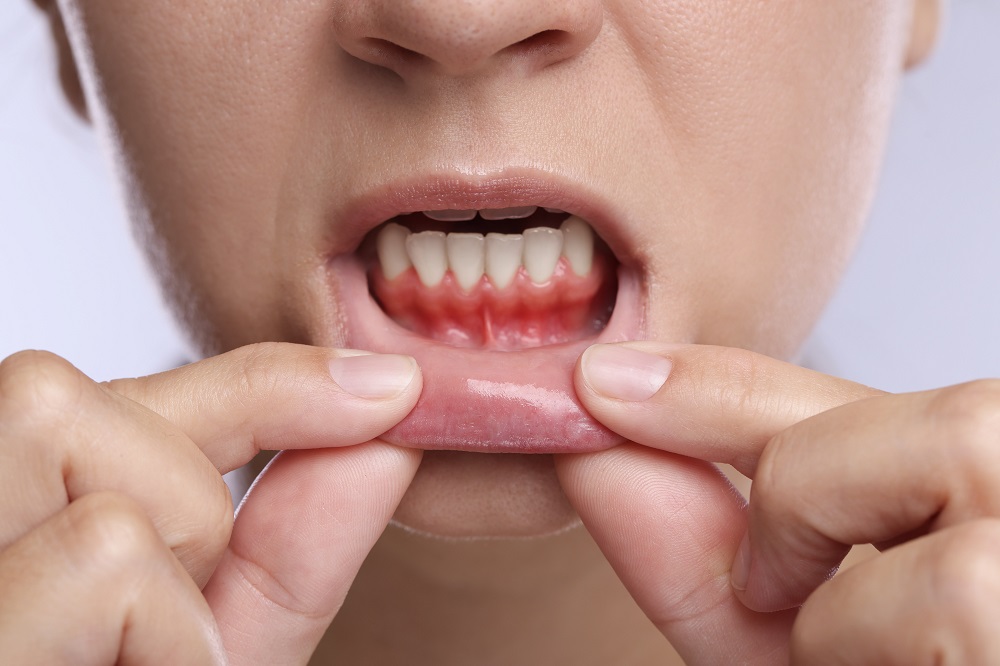
Most people expect a cavity to hurt. They expect a cracked tooth to feel obvious. Gum disease is different. It often develops quietly, with small changes that are easy to dismiss, especially when life is busy and there is no dramatic pain forcing you to pay attention.
That is part of what makes periodontal problems so common. A little bleeding when you brush seems harmless. Slight tenderness along the gumline feels temporary. Chronic bad breath gets blamed on coffee, stress, or not drinking enough water. Then, months or years later, someone hears a sentence they did not expect at a routine dental visit: you may need periodontal treatment.
If you live in Ventura, the signs are the same ones seen anywhere else, but local habits and conditions can play a role. Dry coastal air, dehydration from active outdoor lifestyles, tobacco use, high-stress schedules, and skipped cleanings all tend to make early gum issues easier to miss. The good news is that periodontal disease is treatable, especially when it is caught before major bone loss or tooth mobility develops.
What periodontal treatment actually addresses
Periodontal treatment focuses on the tissues that support your teeth: the gums, the periodontal ligament, and the surrounding bone. When plaque and tartar build up around and under the gumline, bacteria trigger inflammation. In the earliest stage, called gingivitis, the gums become irritated and may bleed, but the supporting bone has not yet been permanently damaged.
Once the condition progresses into periodontitis, the stakes change. The gums begin to pull away from the teeth, creating pockets where bacteria collect more easily. Over time, the body’s inflammatory response and bacterial activity can break down bone and connective tissue. That loss is much harder to reverse.
People often assume periodontal treatment means surgery. Sometimes it does, but not always. Many patients begin with non-surgical care such as deep cleaning, also called scaling and root planing, paired with close monitoring and improved home care. In more advanced cases, treatment may involve localized antibiotics, laser therapy in some offices, gum procedures, or regenerative techniques depending on what is clinically appropriate.
When people search for Periodontal Treatment Ventura, they are usually trying to answer a practical question: is what I am noticing serious enough to get checked? Often, the answer is yes sooner than they think.
Bleeding gums are not normal, even if they are common
One of the clearest early warning signs is bleeding during brushing or flossing. Patients often say, “I thought I was brushing too hard,” or “It only happens when I floss after a break.” That can be true in isolated cases, but frequent bleeding is more often a sign of inflammation.
Healthy gums do not usually bleed from ordinary brushing and flossing. If they do, it is worth taking seriously. Think of it the way you would think about skin that bleeds every time you wash it. You would not assume that was normal tissue.
A common pattern is bleeding that starts mildly, perhaps just a pink tinge in the sink, then becomes easier to trigger. Some people stop flossing because it seems to make things worse. That usually backfires. If the cause is plaque accumulation between the teeth, avoiding flossing allows more bacteria to remain in place, which intensifies the inflammation.
There is one nuance here. If someone has not flossed in a long time, the gums may bleed for a few days when they restart. If that bleeding rapidly settles as the tissue becomes healthier, that is encouraging. If it persists, worsens, or appears alongside swelling and tenderness, it deserves an exam.
Persistent bad breath can be a gum problem
Bad breath is one of the most underestimated signs of periodontal disease. People commonly assume it comes from the tongue, the foods they eat, or morning dryness. Those things matter, but bacteria living in infected gum pockets can produce a strong, lingering odor that mouthwash only masks.
The clue is persistence. If you brush thoroughly, clean your tongue, drink water, and still notice a stale or unpleasant smell, gum infection moves higher on the list of likely causes. Sometimes family members notice it before the patient does. That can be embarrassing, which is why many people delay bringing it up, but it is a very reasonable symptom to mention to a dentist or periodontist.
In practice, this symptom often appears alongside a bad taste in the mouth, especially first thing in the morning or after long stretches without eating or drinking. That bitter or metallic taste can reflect bacterial buildup around the gums.
Swollen, puffy, or tender gums deserve attention
Healthy gums tend to look firm and fit snugly around the teeth. Inflamed gums often appear puffy, shiny, redder than usual, or irritated at the margins. Some patients describe them as “thick” or “sore in one area for no reason.”
Tenderness can be subtle. It may show up only when you brush a certain area, bite into something crisp, or press on the gumline with your finger. Others notice a generalized soreness that comes and goes. Because gum inflammation can fluctuate, people sometimes assume the problem solved itself when symptoms ease for a week or two. Often, the underlying issue is still present.
Localized swelling matters too. If one area repeatedly flares up, food packing, tartar buildup, an ill-fitting restoration, or a deeper periodontal pocket could be contributing. Not every swollen gum area means advanced periodontal disease, but recurring swelling is not something to watch indefinitely.
Gum recession can signal active or past damage
Receding gums are another major sign that the supporting tissues need evaluation. Patients usually notice that teeth look longer than they used to, or they feel a notch near the gumline when they run a fingernail over the tooth. Increased sensitivity to cold is common because root surfaces are more exposed.
Recession is not caused by one thing alone. It can result from periodontal disease, aggressive brushing, tooth grinding, thin gum tissue, orthodontic movement, or a combination of factors. That is why diagnosis matters. A person may have gum recession without active infection, and someone else may have recession that is clearly tied to periodontal breakdown.
What matters is not just the presence of recession, but the pattern. If multiple teeth seem to be changing over time, if spaces are opening near the gumline, or if recession is paired with bleeding and tenderness, periodontal treatment becomes more likely.
In Ventura practices, it is not unusual to see active adults who brush diligently but still develop recession periodontal therapy in Ventura due to a mix of clenching, hard-bristled brushing habits from years ago, and untreated inflammation. Good intentions do not always prevent gum damage if the underlying forces are not addressed.
Loose teeth should never be brushed off
Adult teeth should not feel mobile. Even slight movement can indicate that periodontal support has been compromised. Sometimes the change is obvious, especially when biting into firmer foods. Other times it feels more like a vague instability, a sense that the teeth no longer come together the same way.
This symptom often appears later in the disease process, which is why it deserves prompt attention. Bone loss around the tooth reduces support, and inflammation can further weaken the attachment. In some cases, a bite issue or nighttime grinding worsens the mobility. The sooner this is evaluated, the better the chance of stabilizing the area.
Patients are often surprised to learn that gum disease can shift the way their teeth fit together. If your bite suddenly feels “off,” particularly with swelling or tenderness around the gums, that is not a symptom to ignore.
Spaces between teeth can change when gums and bone change
One of the more subtle clues is the appearance of new gaps or what dentists sometimes call black triangles near the gumline. These triangular spaces form when the gum tissue between the teeth shrinks or pulls back. They are sometimes the first cosmetic sign a patient notices.
Food catching between teeth that never trapped food before can be another early alert. The assumption is often that a filling changed shape or a tooth chipped. That is possible, but shifting gum architecture and tooth movement from periodontal disease can also create new food traps.
If these changes happen gradually, people adjust to them and may not realize how much the mouth has changed over a year or two. Looking at older photos can be surprisingly revealing. Teeth that once looked tightly framed by healthy gums may now appear more exposed or separated.
When gum disease does not hurt, people wait too long
The biggest misconception about periodontal disease is that severe problems should hurt a lot. They often do not. Many patients with moderate bone loss report very little pain. That is why regular exams and periodontal measurements matter so much.
There are a few reasons for this disconnect. Gum disease is typically chronic and progressive, not sudden and dramatic. The body adapts to gradual changes. Mild tenderness becomes background noise. Bleeding becomes routine. People normalize symptoms that would seem alarming if they appeared overnight.
Pain usually gets attention. Silent tissue loss does not. That is the practical danger.
Risk factors that make treatment more likely
Some people develop periodontal problems despite decent home care, while others seem to get away with neglect for years. Biology, habits, and medical history all influence the outcome. If any of the following apply, staying alert to early signs becomes especially important:
- You smoke or use nicotine products.
- You have diabetes, especially if blood sugar is not consistently controlled.
- You have a family history of gum disease or early tooth loss.
- You grind or clench your teeth, especially at night.
- You have gone long stretches without professional cleanings and exams.
Pregnancy, certain medications that cause dry mouth or gum overgrowth, chronic stress, and immune system conditions can also affect gum health. None of these factors guarantee you will need treatment, but they lower the threshold for concern when symptoms appear.
What a periodontal evaluation usually involves
Patients often delay an appointment because they imagine an invasive visit. A proper periodontal assessment is typically straightforward. It usually includes a visual exam, probing measurements around the teeth to check pocket depth, evaluation of bleeding points, review of gum recession, and X-rays to assess bone levels where needed.
Here is what clinicians are usually trying to determine:
- Is this simple gingivitis, or has bone loss already begun?
- Are the changes localized to one area or spread throughout the mouth?
- What factors are driving it, such as plaque retention, smoking, bite trauma, or dry mouth?
- Can non-surgical therapy likely control it, or is specialist care indicated?
That distinction matters because the right treatment depends on the stage and pattern of the disease. Mild generalized inflammation and one deep pocket around a molar are not managed exactly the same way.
What treatment may look like in real life
If periodontal disease is caught early, treatment can be surprisingly manageable. A deep cleaning may be enough to remove deposits beneath the gums and allow the tissue to heal, provided the patient follows through with home care and maintenance visits. The gums often feel less tender and bleed Periodontal Treatment Ventura less within a short period once bacterial load drops.
More advanced cases can require a longer plan. That may include quadrant-by-quadrant deep cleaning, medicated rinses, localized antibiotics, bite adjustment in select situations, and periodontal maintenance visits more often than a standard six-month cleaning schedule. A three- or four-month interval is common for patients with a history of periodontitis because the bacterial environment tends to repopulate more quickly.
When pockets remain deep despite initial therapy, referral to a periodontist may be the next step. Surgical treatment sounds intimidating, but modern periodontal procedures are often more precise and better tolerated than people expect. The goal is not just to clean deeper. It is to reduce pocket depth, improve access for home care, and preserve the teeth for the long term.
One practical point that patients appreciate hearing plainly: treatment success depends heavily on maintenance. You cannot deep clean your way out of gum disease once and ignore it forever. Periodontal conditions are often chronic, meaning they can be controlled very well, but they require follow-through.
Ventura patients often ask whether they can just improve brushing and wait
Sometimes they can, but only in a narrow window. If the issue is mild gingivitis with no attachment loss, better brushing and flossing, plus a professional cleaning, may fully resolve it. Once measurable periodontal pockets and bone loss are present, home care alone is rarely enough.
That is where judgment matters. Waiting a month or two for an already scheduled cleaning may be reasonable for mild bleeding without swelling or pain. Waiting six to twelve months while gums continue to bleed, recede, or loosen around the teeth is a much riskier choice. Bone loss does not grow back easily on its own.
A useful rule is this: if a gum symptom lasts longer than two weeks, keeps returning, or seems to be progressing, get it checked. The appointment may confirm that the issue is minor. That is still better than missing a treatable problem while it is in a more conservative stage.
The cost of delaying care is usually higher than people expect
People often think postponing treatment saves money. In the short run, it can. Over time, untreated periodontal disease tends to become more expensive, more involved, and harder to manage. Early intervention may mean a deep cleaning and maintenance. Delay can lead to surgery, splinting of mobile teeth, extractions, grafting, implants, or partial dentures.
There is also the quality-of-life side of it. Tender gums make brushing unpleasant. Bad breath affects confidence. Loose teeth change what you are comfortable eating. Receding gums alter your smile even before function is seriously affected. These are not trivial concerns.
Clinically, some teeth can be preserved for many years with well-timed periodontal care, even when the situation looks discouraging at first. Others reach a point where saving them becomes unrealistic. The difference is often how long the disease has been active before treatment begins.
When to schedule an appointment
If you notice one isolated episode of irritation after getting popcorn stuck in your gums, you may not need immediate care. If you are seeing a pattern, do not wait for pain to force the issue. Signs that justify booking an evaluation include bleeding with routine brushing or flossing, ongoing bad breath, gum swelling, tenderness, recession, food trapping, shifting teeth, or any sense that a tooth feels loose.
For patients looking specifically for Periodontal Treatment Ventura, the key is finding a dental office or periodontist who will perform a thorough exam, explain the findings in plain language, and discuss realistic options without rushing. Good periodontal care is not just a procedure. It is diagnosis, timing, maintenance, and patient education working together.
Teeth can last a very long time when the supporting gums and bone are healthy. When those tissues begin to break down, the earlier you respond, the better your chances of keeping your smile stable, comfortable, and functional. Bleeding gums, bad breath, recession, and loosening are not small cosmetic annoyances. They are messages from the tissues that hold your teeth in place.
Avra Dental
Address: 1708 S Victoria Ave B, Ventura, CA 93003
Phone number: (805) 941-1001
FAQ About Periodontal Treatment Ventura
Can a dentist get rid of periodontal disease?
A dentist or gum specialist (periodontist) cannot fully cure or reverse advanced periodontal disease (periodontitis), but they can successfully stop its progression and manage the infection.
Is periodontitis very serious?
Yes, periodontitis is a very serious, advanced form of gum disease that destroys the bone and tissues supporting your teeth.
How is stage 2 periodontal disease treated?
Stage 2 periodontal disease (early to moderate periodontitis) is primarily treated with non-surgical deep cleaning procedures like scaling and root planing to remove bacteria and tartar below the gumline.